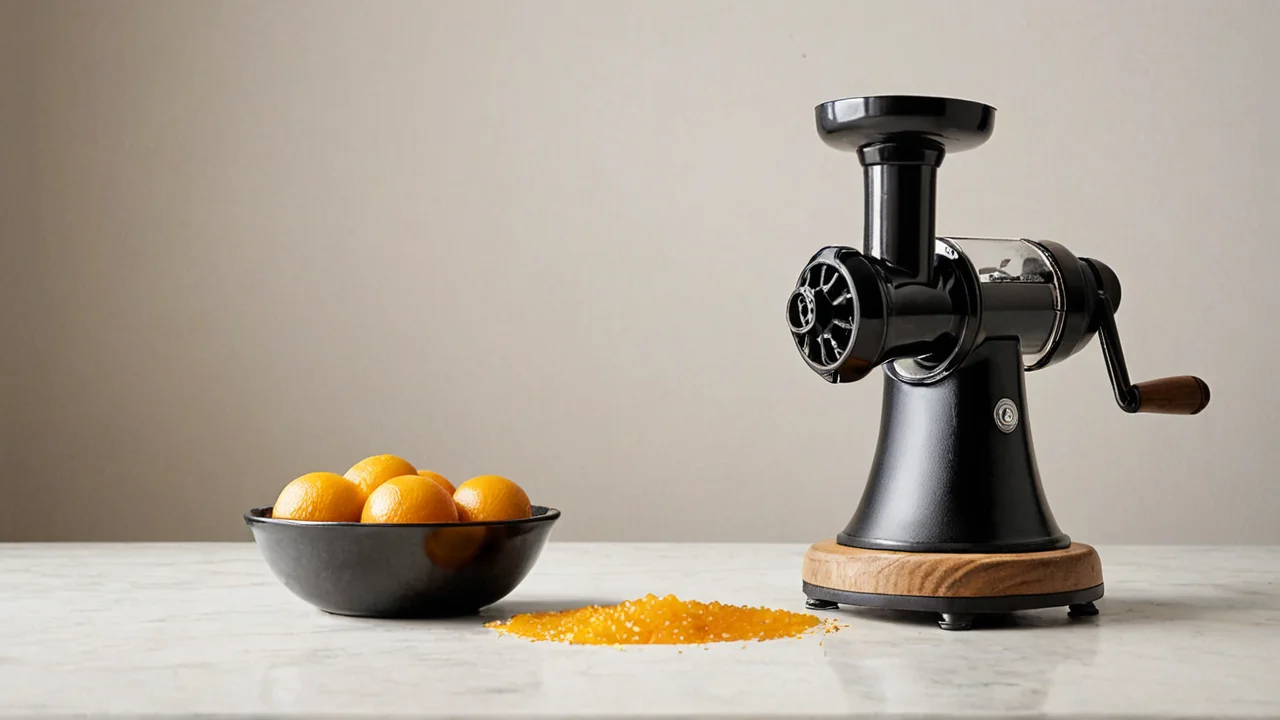
The single most useful piece of cookware advice: buy for heat delivery and surface first, and for the oven's features second. A pan's job is to move heat from a burner into food at a rate you control, and every meaningful decision — material, thickness, shape, handle — either helps or fights that. Nonstick coatings, novelty shapes, and matched sets are the things that most often get bought first and regretted later.
Why the pan's material decides everything else
Material sets the ceiling on what a pan can do, and no amount of technique fixes a bad match. Aluminum and copper conduct heat fast and evenly but react with acidic food, which is why they come clad or coated. Stainless steel is inert and nearly indestructible but conducts poorly on its own, so a stainless pan with nothing inside it develops hot rings over a gas flame and scorches in the center over electric. Cast iron holds heat like a brick and sears beautifully but responds to knob changes slowly, so it is wrong for a sauce that needs rescuing and right for a steak that needs a hard, uninterrupted crust. Carbon steel sits between the two: lighter than cast iron, seasons to a slick surface with use, and takes high heat without complaint.
The practical consequence is that a clad pan — stainless on the outside, an aluminum or copper core bonded through the full height of the wall, not just the base — is the most versatile single purchase most kitchens can make. A disc-bottom pan, where the conductive layer is pressed only onto the base, is cheaper and works fine on gas but shows a visible seam and heats unevenly up the sides, which matters for sauces and for anything you toss. If you are choosing one skillet to start, choose clad stainless or carbon steel and accept that you will need to learn heat control; the pan will outlast several nonstick replacements and will not scratch.
Nonstick earns its place for eggs, delicate fish, and low-fat cooking, and it is the right tool there. The trade-off is lifespan: the coating degrades, and a pan that has lost its release is not a pan you can fix. Buy one inexpensive nonstick skillet in the size you use most, keep metal utensils out of it, and expect to replace it rather than treat it as an heirloom. Buying an expensive nonstick set is the common mistake — you are paying for a surface that has a clock on it.
Thickness, weight, and heat: what you are actually paying for
Paying more for clad cookware buys metal, and metal buys two things: evenness and thermal mass. A thin pan spikes and drops the moment food hits it, so the surface temperature collapses when you add a cold piece of protein and the sear stalls. A thick pan holds its temperature through that drop and recovers faster. You feel the difference in the wrist, too — a heavy skillet is stable on the burner and harder to lift and toss, which is why restaurant kitchens keep both heavy skillets and lighter pans for sautés.
The honest trade-off is that heavier is not always better. A heavy stockpot is fine because you rarely lift it full. A heavy 12-inch skillet is tiring for anyone with wrist or shoulder trouble, and a light carbon steel pan in the same size does most of the same work at a fraction of the weight. If your cooktop is induction, weight and flatness matter more than usual: the base must be magnetic and must sit dead flat, because a warped pan on an induction surface loses contact and heats in patches.
You can judge a pan in the hand before buying. Pick it up by the handle with a full grip — if the handle is thin, short, or unvented, it will be uncomfortable and hot after a long sear, and the rivets will be the failure point if they are set poorly. Oven-safe handles matter more than most buyers expect: a pan rated for high oven heat lets you finish a thick cut in the oven instead of fighting to cook it through on the stovetop, and a plastic or short handle locks you to the burner.
Matching the pan to the heat source and the job
Match the pan to the burner before you match it to the recipe. Gas delivers an open flame that heats the base and climbs the sides, so almost any pan works and a disc-bottom pan is fine. Electric coil and glass-top burners cycle on and off and leave a hot ring, so you want a thick, flat, full-clad base that spreads that ring out. Induction only heats magnetic bases, so check the base with a magnet before you buy anything — cast iron and most carbon steel work, as do clad pans with a magnetic stainless exterior, but bare aluminum and copper do not.
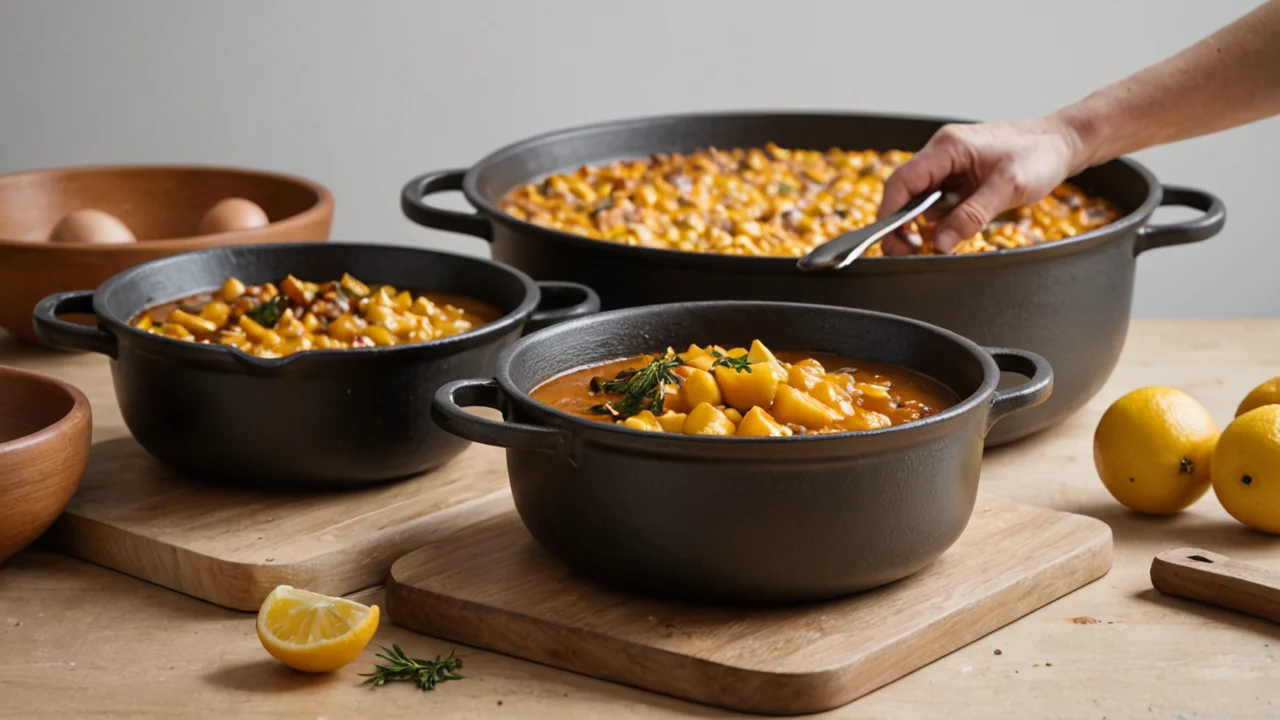
The job narrows it further. A skillet with sloped sides is for searing, sautéing, and reducing, because you can toss and pour from it. A sauté pan with straight, taller sides holds more liquid and is better for braises and for anything that will simmer. A saucepan is for liquid volume, a stockpot for large batches, and a Dutch oven — heavy, lidded, oven-safe — covers braises, bread, and deep frying. Most cooks need three or four pieces, not twelve: one skillet, one saucepan, one pot large enough for a batch of stew, and one nonstick pan for eggs.
Sets are the wrong way to get there. A set is priced to look like a bargain, but it typically includes sizes you will not use and a nonstick piece you will replace first, and the per-piece savings rarely make up for the pieces that sit in the cabinet. Buying one good pan at a time, adding the next when a real need shows up, gets you a better-matched kitchen for the same money.
Cookware that has to hit a temperature, not just a texture
Some cookware decisions are food-safety decisions, and the slow cooker is the clearest case. A slow cooker is a countertop electric appliance that cooks food slowly at relatively low, steady temperatures, generally between 170°F and 280°F, which is hot enough to break down tough cuts while keeping the contents out of the range where bacteria multiply. That range — between 40°F and 140°F — is the one to design around, and perishable food should not sit in it for more than 2 hours before being discarded. A slow cooker that heats slowly, or a pot you fill with cold ingredients and leave on the counter, spends part of that window in the danger zone.
The thermometer is the piece of equipment that makes this manageable, and it is cheap. Poultry, including chicken breast, must reach 165°F (74°C) throughout whether it is cooked in an oven, grill, air fryer, or slow cooker, measured in the thickest part of the meat away from bone. Egg dishes, including casseroles and slow cooker recipes containing eggs, need 160°F (71°C). If you are reheating cooked food to hold it in a slow cooker, bring it to 165°F first, then hold it at 140°F or above for serving — hot holding is not further cooking, and a pot that never gets above the hold temperature is not making the food safe.
This is where the choice of pot interacts with the choice of appliance. A heavy Dutch oven in a low oven holds temperature steadily and is forgiving; a thin pot on a bare burner is not. The cost of getting this right is a thermometer and a few seconds of checking, and the cost of getting it wrong is a discarded batch or worse. The limit is that a thermometer only tells you the temperature where its probe sits — in a thick stew, check the center of the largest piece of meat, not the sauce at the edge.
Surfaces, care, and what each choice costs you over years
Choose the surface you are willing to maintain, because every surface trades convenience against something. Seasoned carbon steel and cast iron need a light oiling and will strip if you simmer acidic sauce in them for a long time or scrub them hard; in exchange they take high heat, are effectively repairable, and improve with use. Clad stainless is dishwasher-safe and indifferent to acid but shows every smear and needs preheating and fat to be nonstick. Enameled cast iron is the easiest braiser to live with but chips if dropped or overheated empty, and a chipped enamel interior cannot be reseasoned. Bare aluminum pits and discolors with acidic food and should not go in the dishwasher.
The long-run cost is not the purchase price but the replacement cycle. A clad stainless skillet or a carbon steel pan, cared for, lasts decades and can be re-seasoned or re-polished. A nonstick pan is a consumable, and the money you save upfront is money you spend again sooner. If you cook eggs daily, that is a fair trade; if you cook eggs twice a month, a well-seasoned carbon steel pan does the job and never wears out.
Two care habits prevent most failures. Preheat gradually rather than slamming a cold pan onto high heat, which warps thin bases and can crack enamel. And dry carbon steel and cast iron on the burner after washing rather than leaving them to air-dry, because a film of water is what rusts them. Neither habit costs anything, and both extend the life of the pan more than any product claim on the box.
Building a working set in the order that pays off
Buy in the order you cook, not the order the store displays. Start with one skillet in the material that matches your burner and your temperament — clad stainless if you want low maintenance and are willing to learn heat control, carbon steel if you want a seasoned surface and high heat, cast iron if you sear and bake. Add a saucepan for liquids and a large pot or Dutch oven for batches. Add the nonstick skillet when eggs and fish become a regular part of your week. Add specialty pieces — a grill pan, a wok, a fish poacher — only when a dish you actually cook demands one, because they take up space and are the pieces most often bought on impulse.
Size is the decision that gets overlooked. A skillet too small for the batch steams instead of sears, because the food piles up and the surface temperature drops; a skillet too large crowds the burner and heats unevenly at the edges. Match the pan's base to the burner's diameter and the pan's capacity to the number of people you usually cook for, and size up only when you routinely cook for a crowd.
What you give up by buying slowly is the convenience of a matched set and the pleasure of a full cabinet at once. What you get is a kitchen where every pan has a job, nothing is a duplicate, and the money went into metal that will still be working years from now. The test of a good purchase is not how it looks on the shelf but whether you reach for it on a Tuesday night — and whether, when the food comes off the heat, you can trust the pan and the thermometer to have done their part.
Cooking for one or two changes the sizes you should buy
A 10-inch skillet is the right default for two people, and the 12-inch pan that most sets treat as the "main" skillet is oversized for a single portion of protein. The failure is visible in the pan: a lone chicken breast in a 12-inch skillet leaves most of the surface bare, the fat scorches in the dry patches, and the pan takes longer to come back to temperature than a smaller one would. Size down rather than up when you cook small quantities, and buy the large skillet only when you routinely sear for a crowd or want the extra surface for a braise that starts with a hard sear. The same logic applies to saucepans — a small pan heats a cup of liquid faster and holds a simmer with less fiddling than a wide one, where the shallow depth lets the liquid reduce before it ever comes to a boil.
Lids are part of the pan, not an accessory
Buy the lid with the pan, in the same purchase, because a mismatched lid from the drawer is the most common reason a pan underperforms. A tight-fitting lid traps steam and lets a pan hold a bare simmer on low heat, which is what a braise or a pot of rice needs; a loose lid vents constantly, so the liquid reduces when you wanted it to hold and the pan runs dry before the food is done. Check that the lid sits flat with no wobble and that its handle is oven-safe to the same temperature as the pan's, since the two go into the oven together. Glass lids let you watch without lifting, which matters more than it sounds — every lift dumps the trapped heat and adds time. The honest trade-off is weight and cost: a heavy lid on a heavy pan is a two-handed lift, and a cheap lid that warps after a few runs in a hot oven is worse than no lid at all.